Introduction
In recent years, there has been a rising trend in the use of smokeless tobacco products, particularly among individuals looking for alternatives to traditional smoking. Two of the most sought-after products in this category are snus and snuff. While they may seem similar at first glance, these two forms of tobacco come with distinct characteristics, usage methods, and health implications.
In this comprehensive guide, we will explore Snus vs. Snuff: Understanding the Key Differences by delving into their definitions, ingredients, health risks, legality across different regions, and user experiences. By the end of this article, you’ll be armed with all the knowledge necessary to make informed decisions about these popular tobacco products.
What Is Snus?
Snus is a moist powder tobacco product originating from Sweden. It’s typically packaged in small pouches meant for oral consumption. Users place these pouches between their gum and lip, allowing nicotine to be absorbed through the mucous membranes.
How to Use Snus
Using snus is simple:
Choose Your Pouch: Select a snus pouch from your packaging. Placement: Place it between your gum and upper lip. Duration: Keep it there for about 30 minutes to an hour. Disposal: After use, discard the pouch responsibly.What Does Snus Do?
Snus delivers nicotine without combustion. This means users can enjoy the stimulating effects of nicotine while avoiding smoke inhalation.
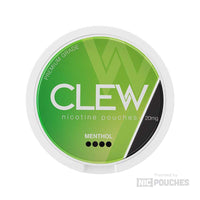
Is Snus Bad for You?
The health implications of snus use are still being studied. Some research suggests that while snus may have fewer risks than smoking cigarettes, it is not without its own dangers, such as increased heart rate and potential gum disease.
What Is Snuff?
Snuff refers to finely ground or shredded tobacco that can be either dry or moist. Traditionally associated with nasal inhalation (the "sniffing" process), some users also place it in their mouths for absorption.
Types of Snuff
- Dry Snuff: Intended primarily for nasal use. Moist Snuff: Meant for oral consumption; often similar in texture to snus.
How to Use Snuff
Take a Pinch: Grab a small amount of snuff between your fingers. Inhale or Place in Mouth: Either sniff it up your nose or place it between your gums. Enjoy Effects: The nicotine kicks in relatively quickly after consumption.Is Snuff Bad for You?
Like snus, snuff carries health risks including addiction to nicotine and increased risk factors https://jsbin.com/kacayunake for oral cancers when used over extended periods.
Snus vs. Snuff: Key Ingredients Comparison
| Component | Snus | Snuff | |-------------|---------------------------|-----------------------------| | Tobacco Type| Moist Tobacco | Dry or Moist Tobacco | | Flavoring | Often flavored | Can be flavored or unflavored| | Nicotine | Typically higher levels | Varies widely |
Both products contain various additives and flavorings that enhance user experience but can introduce additional health risks.
Health Risks Associated with Both Products
Does Snus Cause Cancer?
There is ongoing debate about whether snus leads to cancer; some studies indicate lower risks compared to conventional cigarettes but do not rule out potential links to other forms of cancer.
Does Snuff Cause Cancer?
Research shows that long-term use of snuff increases the likelihood of developing oral cancers due to direct exposure of tobacco particles on tissues within the mouth.
Nicotine Content Comparison Between Snus and Snuff
The nicotine concentration varies significantly between different brands and types:
- Typical levels in snus range from 8 mg/g up to 50 mg/g. Dry snuffs tend to have varied nicotine levels based on preparation but generally deliver potent hits when inhaled or absorbed orally.
Are Nicotine Pouches Similar?
Nicotine pouches are newer entrants into the smokeless market; they contain no tobacco but offer similar delivery methods as snus:
- They come in various flavors. Available without tobacco-derived ingredients making them potentially less harmful.
How do Nicotine Pouches Work?
Users place them similarly under their lips where nicotine is absorbed directly into the bloodstream without combustion-related toxins found in traditional tobacco products.
Legality Considerations Around Snus and Snuff Worldwide
Is Snus Illegal?
Regulations vary by country; while permissible in Sweden and other Scandinavian nations, some regions impose restrictions on sales or importation due to public health concerns.
Is Snuf Legal?
Most countries allow the sale and distribution but may regulate its marketing similar to cigarettes due primarily to health concerns surrounding tobacco use.
Cultural Relevance: Why Do Footballers Use Snus?
Many athletes utilize snus as a way to maintain focus during competitions while sidestepping smoking's disadvantages; its discreet nature allows them quick access without needing breaks during gameplay.
User Experience Insights: What Happens If You Swallow a Pouch?
Swallowing a pouch can lead to discomfort due mainly from high nicotine content which may induce nausea or other digestive issues temporarily impacting user well-being.
FAQs
1. Can You Take Snus on a Plane?
Yes, most airlines allow passengers to bring snus aboard; however, check specific airline regulations beforehand regarding smokeless tobacco products.
2. Are Nicotine Pouches Bad for You?
While marketed as safer alternatives due lack of tobacco ingredients—overconsumption may still cause adverse reactions linked with high nicotine intake such as nausea or dizziness.
3. Does Using SNUS Help Quit Smoking?
Some users report transitioning from cigarettes successfully through gradual reduction using lower-nicotine variants—a personal journey dependent on individual needs!
4. Can I Reuse Snus Pouches?
It's not recommended as reused pouches lose potency quickly—fresh ones provide better taste & effectiveness!
5. How Long Does SNUS Last Once Opened?
Once opened typically lasts about two weeks if stored correctly—refrigeration might extend freshness slightly longer!
6. What's Better—Snub or Vaping?
Current evidence suggests both have risks; however many consider vaping less harmful than traditional cigarettes though safety comparisons remain ongoing debates within scientific communities!
Conclusion
Understanding the differences between snus and snuff can empower consumers with essential knowledge surrounding these smokeless tobacco options – from usage methods down through health implications! As trends shift towards alternatives while public perception continues evolving alongside regulatory frameworks worldwide – it's vital always remain informed about what we consume!
Ultimately whether opting for one over another largely depends upon personal preferences alongside potential motivations behind choosing smokeless routes altogether – like quitting smoking entirely! Always exercise caution when indulging within any form involving nicotine usage since maintaining good oral hygiene remains paramount regardless!